Compare Credit Cards in India &
Choose the Best Card for You
One platform. Every top card. Compare credit cards in
India,
explore features, find your match, and apply in minutes.
Why Compare Credit Cards on NetAmbit?

Compare Top Banks in One Place
HDFC, ICICI, SBI, Axis & more. HDFC, ICICI, SBI, Axis &
more. View features,
rewards, fees, and eligibility in one place
to make smarter decisions.

Lifetime Free Credit Cards Available
Explore top credit cards with zero annual fees,
ideal for beginners and cost-conscious users.

Instant Eligibility Check
Know which cards you're likely to get, before you apply.
Reduce rejections and protect your credit score with smart
filtering.

Find the Best Credit Card in India For You
Whether you're looking for the best cash back credit cards,
travel rewards credit cards,
or lifetime free options, we match
cards to your lifestyle and spending habits.
Stop switching between multiple websites. Compare top credit cards in India
on
one platform with clear, side-by-side insights.
Too Many Cards.
One Right Match.
Get personalized recommendations
based on your income, credit score,
and
spending behavior.
Compare credit cards with confidence.
Disclaimer: The details regarding the features, eligibility, joining fees, and other T&Cs are subject to change as per the respective bank's policies.
Enter Your Details to Unlock
Personalized Results.
All offers are indicative. NetAmbit X facilitates secure redirection to partner institutions and does not determine approvals, offers, or terms.
How to Choose the Best Credit Card
(Quick Guide)
Choosing the best credit card in India depends on your financial habits. Here’s a simple checklist:
- Spending Type: Daily expenses, travel, shopping, or fuel.
- Rewards vs Cashback: Points or direct savings.
- Fees: Annual charges vs lifetime free credit cards.
- Credit Score: Higher score unlocks premium cards.
- Benefits: Lounge access, EMI options, travel perks.
Your Matched Credit Cards
Your Card Checklist
Simplified.

Age
You must be at least 21
years old.

Annual Income
Minimum income should be
₹3 lakhs.

Address Proof
Aadhaar card/Passport/Utility bills/Ration card/Registered rent agreement.

Identity Proof
Aadhaar/PAN/Driving License/Voter ID/Passport.

Seamless Digital Journey
Apply, verify, and get approved, fully online. Compare credit cards and complete your application without visiting a branch.

Credit Score
You must have a minimum 750 credit score.

Income Proof
For Salaried: Last 2 months' salary slips with bank statements. For Self-Employed: Latest ITR with balance sheet or credit card statement.

Employment
Must be a working professional, self-employed, or freelancer.
Compare Top Credit Cards in India
Compare and find the best credit card in India based on rewards, fees, and benefits.
| Credit Card | Best For | Annual Fee | Key Benefits | Rewards Type | Ideal For |
|---|---|---|---|---|---|
| HDFC Millennia Credit Card | Cashback | ₹1,000 (waived on spend) | 5% cashback on select partners (Amazon, Flipkart via SmartBuy) | Cashback | Online shoppers |
| SBI Cashback Credit Card | Cashback | ₹999 | 5% cashback on online spends (excluding some categories like rent, wallet loads) | Cashback | Frequent online users |
| ICICI Amazon Pay Credit Card | Shopping | Lifetime Free | 5% cashback for Prime users | Cashback | Amazon users |
| Axis Bank Ace Credit Card | Bill Payments | ₹499 | Cashback on bill payments and partner platforms (rates subject to change) | Cashback | Utility payments |
| HDFC Regalia Credit Card | Travel & Rewards | ₹2,500 | Lounge access + reward points | Rewards | Frequent travelers |
| Axis Vistara Credit Card | Travel | ₹1,500 | Complimentary Vistara ticket vouchers + milestone benefits + lounge access | Travel Rewards | Air travelers |
| SBI SimplyCLICK Credit Card | Online Shopping | ₹499 | Accelerated rewards on partner brands like Amazon, BookMyShow, etc. | Rewards | Beginners |
| ICICI Coral Credit Card | Lifestyle | ₹500 | Movie & dining offers | Rewards | Everyday spending |
| HDFC Freedom Credit Card | Entry-Level | ₹500 | Basic rewards + low eligibility | Rewards | First-time users |
| Axis Neo Credit Card | Budget | ₹250 | Discounts on partner platforms like Zomato, Paytm (subject to offers) | Cashback | Budget users |
Disclaimer: Benefits, fees, and cashback rates are subject to change as per issuer terms. Please check the official website before applying.
Why Millions Trust NetAmbit
for Credit Cards
Choosing the right credit card is important. NetAmbit helps you compare credit cards with confidence using expert insights and a seamless digital experience.
Not sure which card fits your spending? We help you compare top credit cards in India - from cashback to travel rewards and zero-fee options.
Trusted by Top Banks
Access the best credit cards in India from leading banks.
Digital-First
Seamless online platform across India.
Smart Recommendations
Personalized card suggestions.
Transparent Comparisons
Clear insights on fees and rewards.
100% Secure
Fast and paperless process.
Customer First
We help you choose the right card.
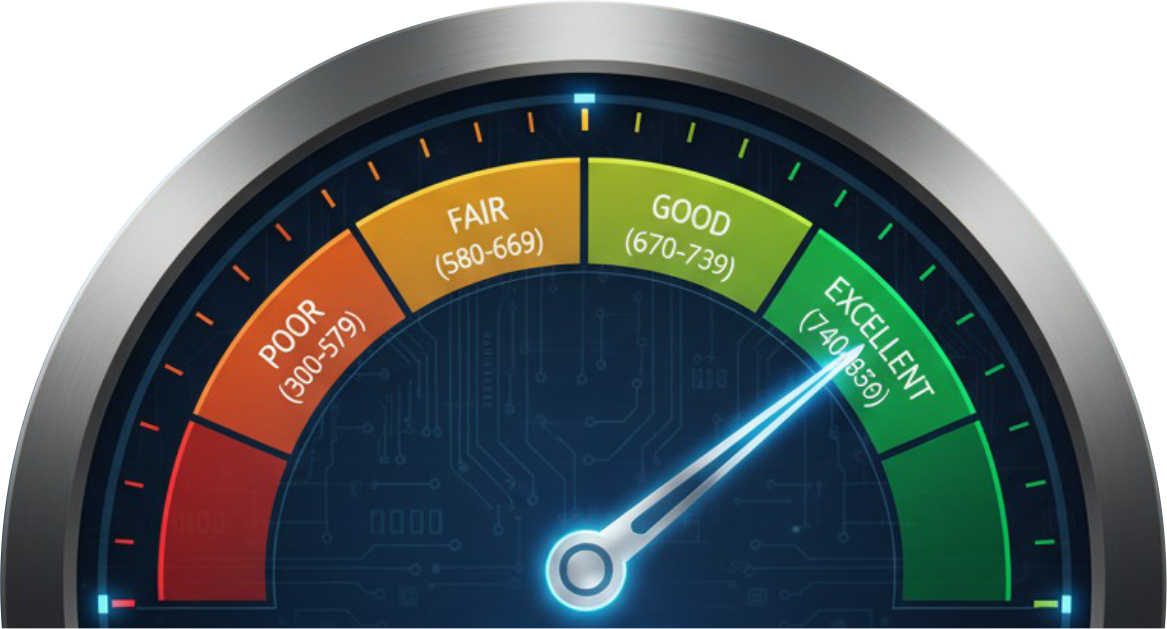
Check Your Credit Score for Free
Know where you stand before you apply.
Your Credit Score:
Powered By : 
Frequently
Asked Questions
Who is eligible to apply for a credit card?
To apply for a credit card, you usually need to be between 21
and 60 years old, have a stable income, and hold valid Indian identification as per
credit card eligibility criteria. Banks also assess employment stability, existing
financial commitments, and repayment behaviour. Meeting basic requirements improves approval
chances, but final decisions depend on internal risk checks. Reviewing eligibility conditions in
advance helps reduce rejection risk and ensures you apply for cards suited to your profile.
Can I apply if I don’t have a credit history?
Yes, applicants without a credit history can still apply for
certain entry-level or secured credit cards after a basic credit card eligibility check. These
cards are designed for first-time users and usually come with lower limits and simple features.
Responsible usage and timely repayments help build a credit profile over time, making it easier to
qualify for better cards with higher limits and additional benefits in the future.
How do I apply for a credit card through NetAmbit?
You can apply credit card online in India through NetAmbit by
submitting your details and documents digitally. Our team assists with eligibility checks,
documentation guidance, and application submission. This process helps match your profile with
suitable card options and avoids unnecessary applications that could affect your credit score.
Final approval decisions are always made by the issuing bank.
Can I apply for multiple credit cards?
Applying for multiple credit cards at the same time can lead
to several credit enquiries, which may reduce approval chances when you compare credit cards
across banks. Lenders often view frequent applications as a risk factor. It’s better to review
options carefully, understand eligibility, and apply for one card that suits your spending needs.
A focused approach helps protect your credit score and supports long-term financial stability.
What types of credit cards do you offer?
NetAmbit provides access to a wide range of credit cards
India users prefer, including cashback, rewards, travel, fuel, shopping, and lifestyle cards from
leading banks. Each category is designed for different spending habits. Choosing the right type
depends on how often you spend, where you spend most, and whether you value savings, rewards, or
travel-related benefits.
What are the key benefits of these cards?
Credit card benefits vary by issuer, but many users seek the
best credit card with best rewards. Common benefits include reward points, cashback, fuel
surcharge waivers, airport lounge access, EMI conversion options, and international usage. Some
cards focus on everyday savings, while others reward travel or premium spending. Selecting the
right benefit structure ensures better long-term value based on your usage pattern.
Which credit card is best for first-time users?
First-time users are often advised to start with a lifetime
free credit card that offers simple rewards, low fees, and easy approval criteria. These cards
help build repayment history without high costs or complex conditions. With consistent usage and
timely payments, users may later qualify for cards offering better rewards, higher limits, and
more advanced benefits.
Are there cards with no annual fees?
Yes, several banks offer best credit cards in India with no
annual fee or lifetime-free conditions. These cards suit users who want basic benefits without
recurring charges. Some cards waive annual fees when spending thresholds are met. Reviewing fee
terms carefully helps ensure the card remains cost-effective and avoids unexpected charges later.
Which are the best cash back credit cards in India?
The best cash back credit cards in India offer savings on
everyday spending such as groceries, fuel, utility bills, and online purchases. These cards return
a percentage of spending as cashback, either monthly or through statement credits. Comparing
cashback rates, spending caps, and redemption conditions helps you choose a card that provides
consistent value on regular expenses.
What are the required documents for applying?
Credit card applications usually require identity proof,
address proof, recent photographs, and income documents such as salary slips or income tax
returns. Many applicants also prefer to check CIBIL score online before applying. Document
requirements vary based on card category and issuing bank, with premium cards often requiring
higher income proof for verification.
Is income proof mandatory?
Income proof is mandatory for most unsecured credit cards and
applicants often check my credit score online before submission. Income documents help banks
evaluate repayment capacity and influence credit limits. Some secured or low-limit cards may have
relaxed requirements, but income proof remains important for reward-focused or premium cards.
Can I submit documents digitally?
Yes, most banks allow applicants to submit documents
digitally, making CIBIL score check free and verification faster. Digital uploads reduce paperwork
and speed up processing. This method has become standard across issuers and allows applicants to
complete applications without visiting a branch while meeting compliance and security
requirements.
What are the typical annual fees for credit cards?
Annual fees vary based on card type and benefits, and
understanding credit card charges explained helps avoid surprises. Basic cards may have no fees,
while premium cards charge higher amounts. Some issuers waive fees when spending targets are met.
Reviewing fee structures helps select a card that offers value without unnecessary costs.
Are interest charges on transactions?
Interest is charged only if full dues are not paid, even on a
zero annual fee credit card. Rates usually range between 3% and 3.5% per month. Carrying balances
can significantly increase costs. Paying bills in full by the due date helps avoid interest and
protects your credit profile.
Are there charges for cash withdrawal?
Yes, cash withdrawals attract fees and interest, which are
part of credit card charges explained cash terms. Fees usually range between 2.5% and 3% of the
withdrawn amount, with interest charged immediately. Cash advances are costly and generally
discouraged regardless of card benefits.
How long does it take to get approval?
Some applicants may receive instant credit card approval,
while others take 2 to 5 working days after document submission. Approval timelines depend on
credit profile, card type, and verification requirements. Accurate documentation helps speed up
the process.
When will I receive my card?
Once approved, credit cards are usually delivered within 5 to
10 business days to the registered address. Delivery timelines vary by bank and courier service.
Card features and benefits remain the same regardless of delivery speed.
How do I activate my credit card?
Credit cards activation can be completed via the bank’s
mobile app, internet banking portal, or customer care number. Activation is mandatory before first
use and usually takes only a few minutes. Instructions are provided at delivery.
How is my credit limit decided?
Credit limits depend on income, credit score, repayment
history, and existing obligations. Cards positioned as the best rewards credit card often require
stronger financial profiles. Limits may increase over time with consistent usage and timely
repayments.
Can I increase my credit limit later?
Banks may offer increases over time, especially on cards
positioned as the best travel rewards credit card. You can also request a review after maintaining
good repayment habits. Strong usage patterns improve approval chances for higher limits.
Can I use the credit card internationally?
Most credit cards support international usage once the
feature is enabled by the issuing bank, especially options positioned as the best travel credit
card India users prefer. International transactions usually attract a foreign exchange markup fee,
which varies by bank. Travel-focused cards may offer better value through reward points, lounge
access, or travel-related privileges. Reviewing forex charges and overseas benefits helps
determine whether a card is suitable for frequent international spending.
How do I repay my credit card bill?
Credit cards repayment can be done through net banking, UPI,
NEFT, debit card payments, or auto-debit facilities set up with your bank. Paying the full
outstanding amount by the due date helps avoid interest charges and late payment fees. Timely
repayments also protect your credit score and keep you eligible for higher limits, better card
upgrades, and improved approval chances for future credit products.
What is the billing cycle?
A credit card billing cycle usually lasts around 30 days,
followed by a grace period of 15 to 20 days for interest-free repayment. Understanding your
billing cycle helps you plan expenses and payment dates more effectively. It also supports smarter
credit card comparison India decisions, as billing structures and grace periods may vary across
cards and banks, especially for users who rely heavily on monthly spending.
What happens if I miss a payment?
Missing a credit card payment can result in late fees,
interest charges, and a negative impact on your credit score. Over time, this becomes one of the
common reasons for credit card rejection in future applications. Repeated delays may also lead to
reduced credit limits or account restrictions. Paying at least the minimum due on time helps
minimise damage and maintain long-term credit health.
Can NetAmbit help me track my application status?
Yes, NetAmbit helps users track their credit card
application status and assists them to compare credit cards features during the process. While
approval decisions are made by issuing banks, our team coordinates with lenders to provide updates
and clarity if delays occur. This support ensures transparency and helps applicants stay informed
from submission to final approval or delivery.
Can I cancel a card after applying?
You can cancel a credit card after it is issued by contacting
the issuing bank directly. Credit cards cancellation terms vary by bank and may involve timelines
or conditions, especially for cards with annual fees. Reviewing cancellation policies in advance
helps avoid unnecessary charges and ensures you take action within the allowed period if you
decide not to use the card.